A Mind That Writes. A Vision That Provokes. A Voice That Stays.
Nikhil Khare
With a keen academic grounding in world affairs and a storyteller’s instinct for emotional truth, Khare crafts narratives that are both intellectually stimulating and deeply human. His work does not merely entertain—it challenges, disrupts, and compels readers to think beyond the obvious.

Stories That Pierce Through the Surface
His books go beyond plot—they dissect the psychology of power, love, fear, and identity, offering insights that stay with readers long after the final page.
Unique Literary Voice
Whether he writes about political intrigue, personal trauma, or philosophical inquiry, his storytelling maintains a rare combination of clarity, depth, and poetic precision.
A Fusion of Intellect and Emotion
Khare’s academic background in international relations enriches every narrative, creating books that are both intellectually compelling and emotionally resonant.
NIKHIL KHARE
Nikhil Khare is a scholar of international relations, a member of the Indian Railway Traffic Service (IRTS), and an author whose work blends intellectual clarity with emotional depth. Born and raised in Kanpur, his writing reflects the honesty, rootedness, and complexity of his early surroundings. He holds a Master’s degree in International Relations and is an English Honours graduate from the University of Delhi, giving his work a unique balance of academic insight and literary elegance. A regular contributor to The Kootneeti, Nikhil writes on geopolitics, identity, and the psychological forces that shape individuals and nations. His research paper on American politics and Manifest Destiny further demonstrates his analytical range. He is also the creator of Innuits.in, an open-source community initiative designed to spark meaningful conversations on society, culture, and global affairs. The author of ten books, Nikhil is known for exploring the intersections of power, human behaviour, and political structures. His voice is thoughtful, measured, and quietly intense—driven by the belief that understanding the world begins with understanding ourselves. In Mayhem, he channels this worldview into a gripping narrative that examines the shadowy currents of ambition and the human desire for control.

About the Books
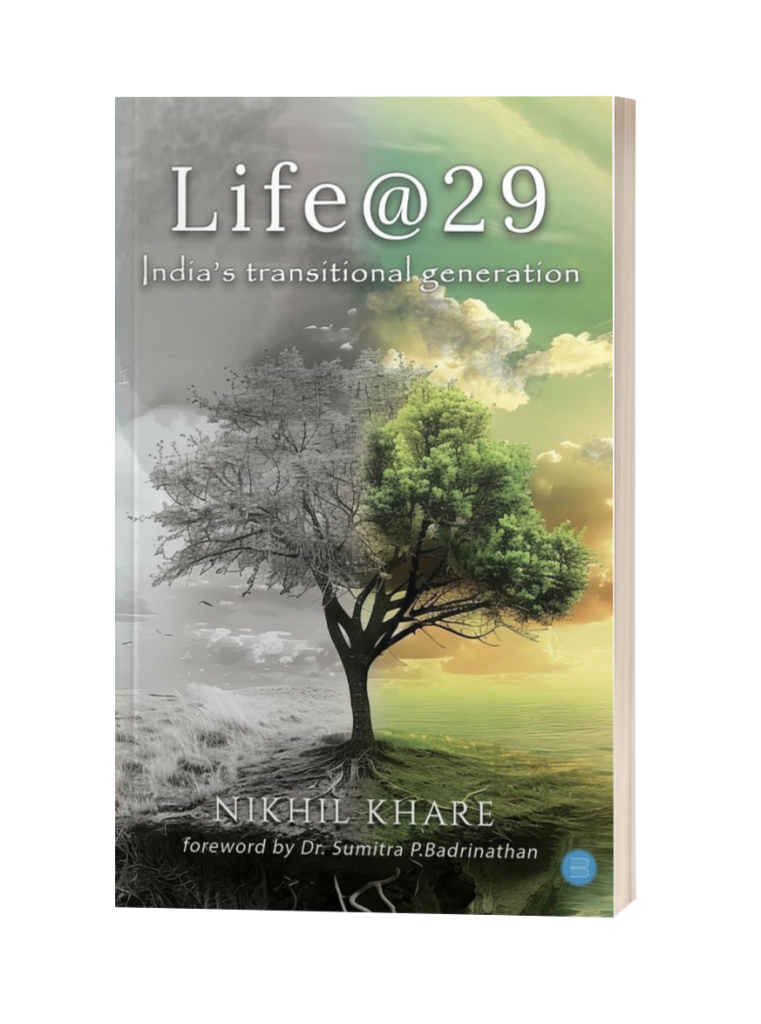
Life@29
Life@29 is a contemplative journey through the year when everything changes quietly yet profoundly. Standing at the threshold between youth and adulthood, twenty-nine becomes a crossroads where unfulfilled ambitions collide with emerging realities.
In this memoir-style narrative, failures, friendships, heartbreaks, and unspoken regrets unfold against the backdrop of a rapidly shifting world. It captures the subtle transformations that often go unnoticed—learning to forgive your younger self, mourning dreams that never matured, rediscovering purpose, and facing the fear of becoming a stranger to yourself.
Honest, intimate, and deeply introspective, Life@29 maps the emotional terrain of a man holding both nostalgia and hope as he prepares to step into a new chapter.
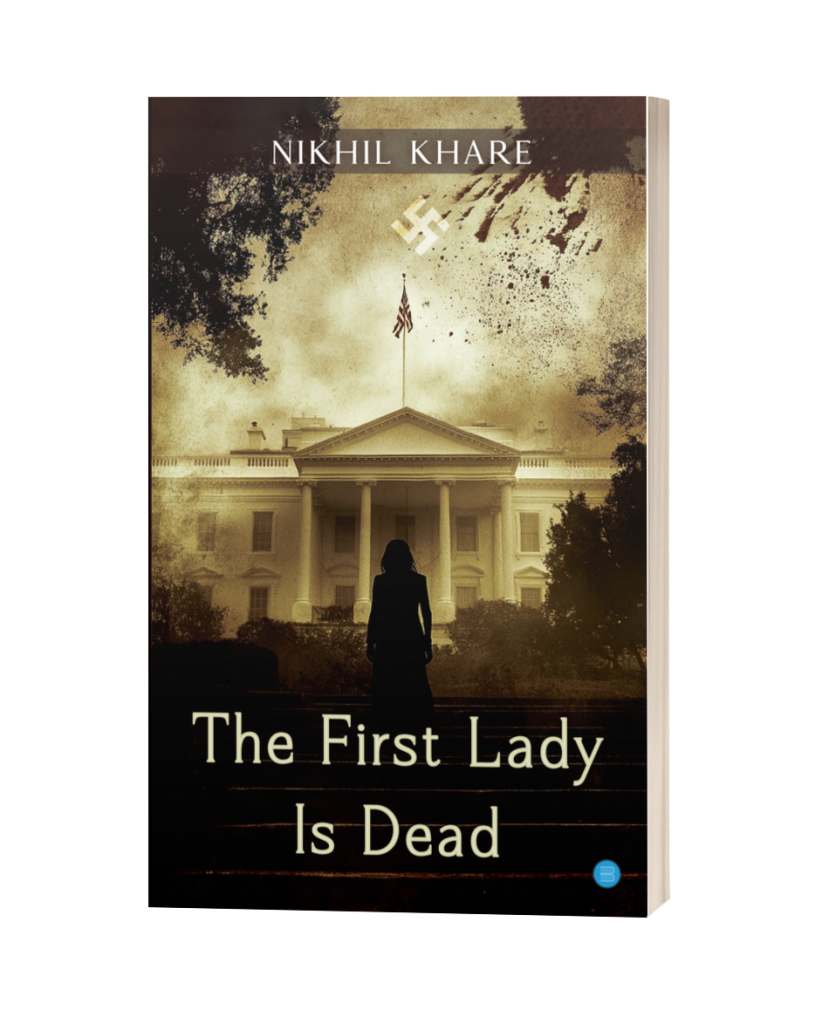
The First Lady Is Dead
The First Lady Is Dead opens with the nation’s most powerful woman found lifeless, and from that moment, nothing remains the same. What begins as a tragedy evolves into a labyrinth of political tension and psychological unraveling. Behind official statements and televised grief lie layers of concealed motives, buried histories, and a web of alliances stretched thin by the weight of truth.
At its core, the book interrogates the architecture of power—how it seduces, corrupts, fractures, and ultimately consumes the very people who believe they control it. Through shifting perspectives and a steady tightening of suspense, the narrative exposes the brittle façade of a political dynasty built on secrets. Every character carries a private version of the truth, and every truth has a cost.
Atmospheric, taut, and elegantly paced, The First Lady Is Dead is both a political thriller and a psychological study. The audiobook edition brings its tension to life through immersive narration, amplifying every whisper, pause, and revelation.
The Trauma Called Love
The Trauma Called Love is neither a romance nor a lament—it is an excavation. A philosophical, psychological, and emotional inquiry into why love, in all its beauty, often hurts more deeply than any wound life inflicts. The book dissects the patterns we inherit from childhood, the illusions we chase in adulthood, and the invisible scars carried from relationships that promised safety but left devastation.
Structured like an intimate dialogue with the self, it blends reflection, narrative fragments, research, and poetic insight. It explores attachment, longing, self-betrayal, the slow erosion of identity within toxic bonds, and the quiet resurrection that follows heartbreak. Each chapter reveals a layer of emotional anatomy, tracing how love becomes trauma—and how trauma can sometimes become the catalyst for profound transformation.
Raw yet refined, vulnerable yet analytical, The Trauma Called Love is a companion for anyone who has loved deeply, lost painfully, and emerged wiser. It does not offer easy answers—only clarity, courage, and the dignity of understanding.

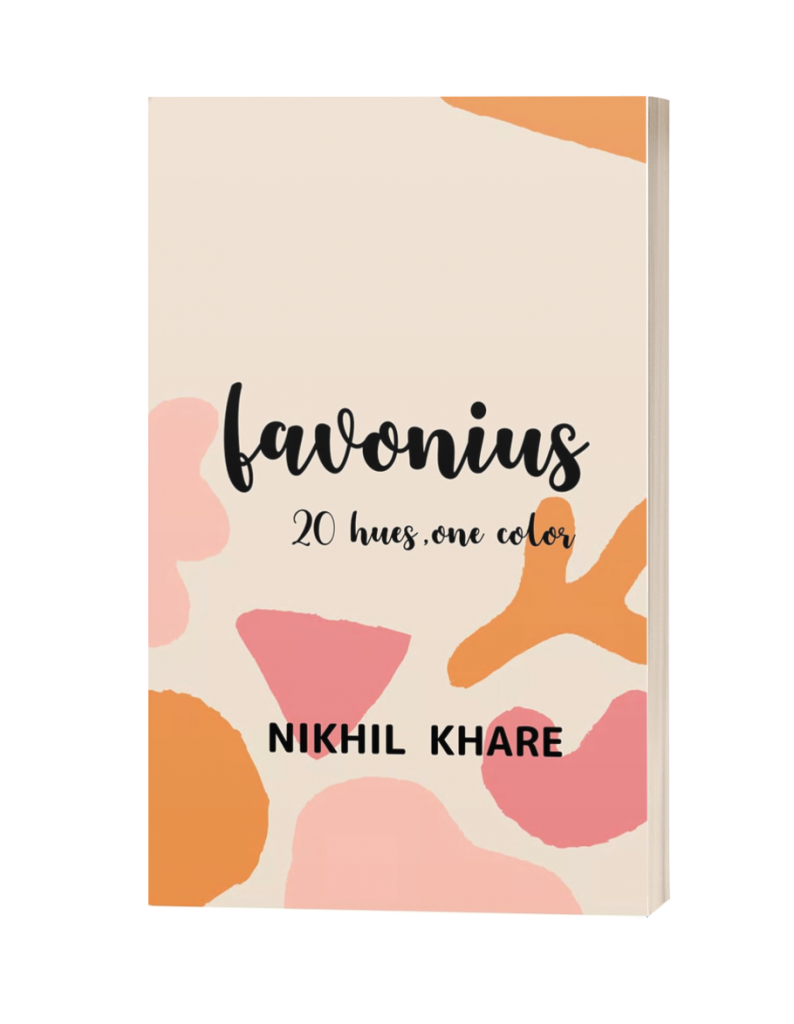
Favonius — Compendium of Short Stories
Favonius is a literary mosaic of twenty lives swept together by the same unseen wind—a gentle current of fate, memory, and human longing. Each story stands complete in itself yet resonates with the others, forming a layered universe of characters who are ordinary, flawed, and unforgettable.
Within these pages, a widow rediscovers silence, a soldier bargains with memory, a child befriends loneliness, lovers meet at the edges of time, and strangers cross paths without knowing how deeply they will change each other. The stories explore the unpredictability of life, the fragility of relationships, and the small miracles hidden in mundane moments.
Written with lyrical precision, emotional depth, and a touch of mythic atmosphere, Favonius invites readers to slow down and inhabit experiences that are fleeting but profound. It is a celebration of storytelling—the kind that lingers, reconnects, and breathes gently like the wind it is named after.
Gust
Gust is a compact yet powerful narrative centred on the sudden shifts that redirect a life—a moment of clarity, a loss that shakes the soul, a revelation that alters everything once believed to be stable. Built with spare, distilled prose, the book captures the emotional turbulence beneath everyday calm.
It traces a protagonist caught between desire and duty, past and future, certainty and the unpredictable force of change. The story is not about chaos; it is about the quiet acceleration before it—the whispers that become winds, the choices that gather momentum, and the single instant where everything turns.
Gust is atmospheric, introspective, and resonant. Though brief in length, it leaves a lasting imprint, reminding us that life does not always move in seasons—sometimes it moves in sudden winds.

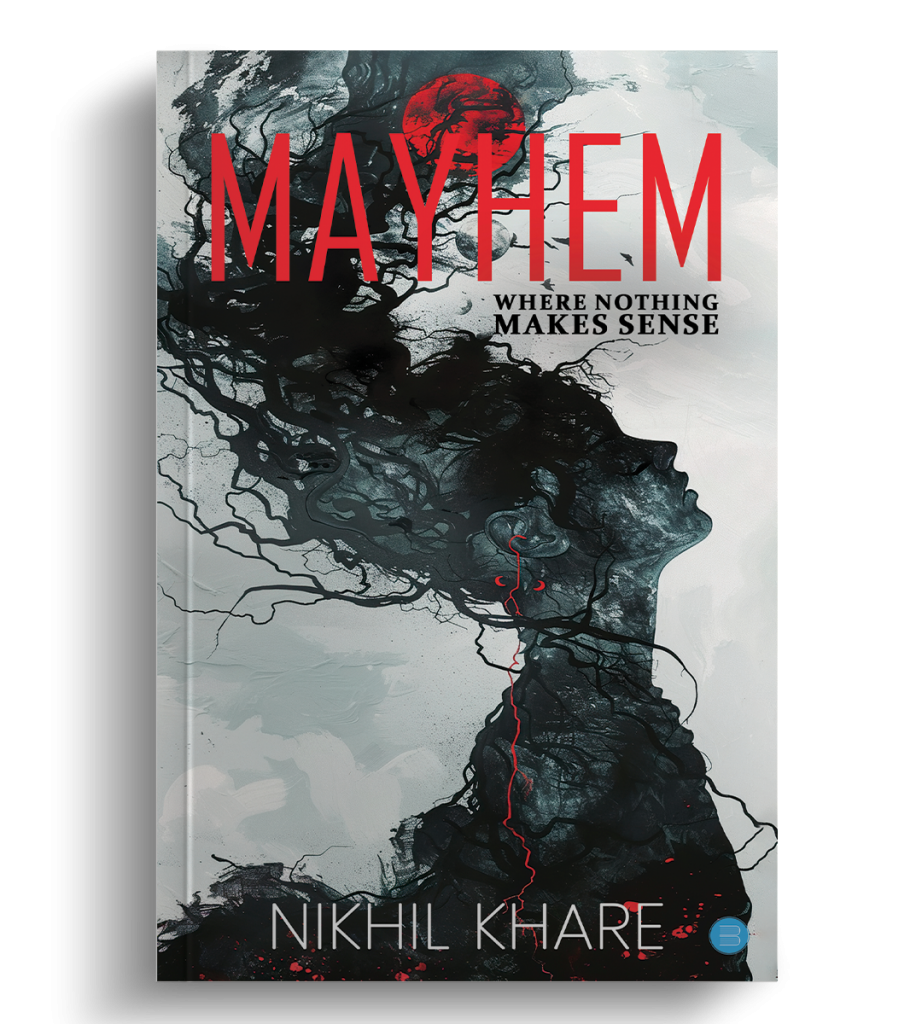
Mayhem
Mayhem is not merely a story of blood and chaos—it is a meditation on fear, ambition, and the hunger that drives civilizations. Through raw imagery and characters caught in the whirlwind of violence, the book confronts the reader with uncomfortable truths: that destruction is often as primal as creation, and that love, power, and betrayal are never far apart. It is both a philosophical exploration and a relentless narrative, making Mayhem a work that unsettles, provokes, and lingers long after the final page.
Poetry Collection
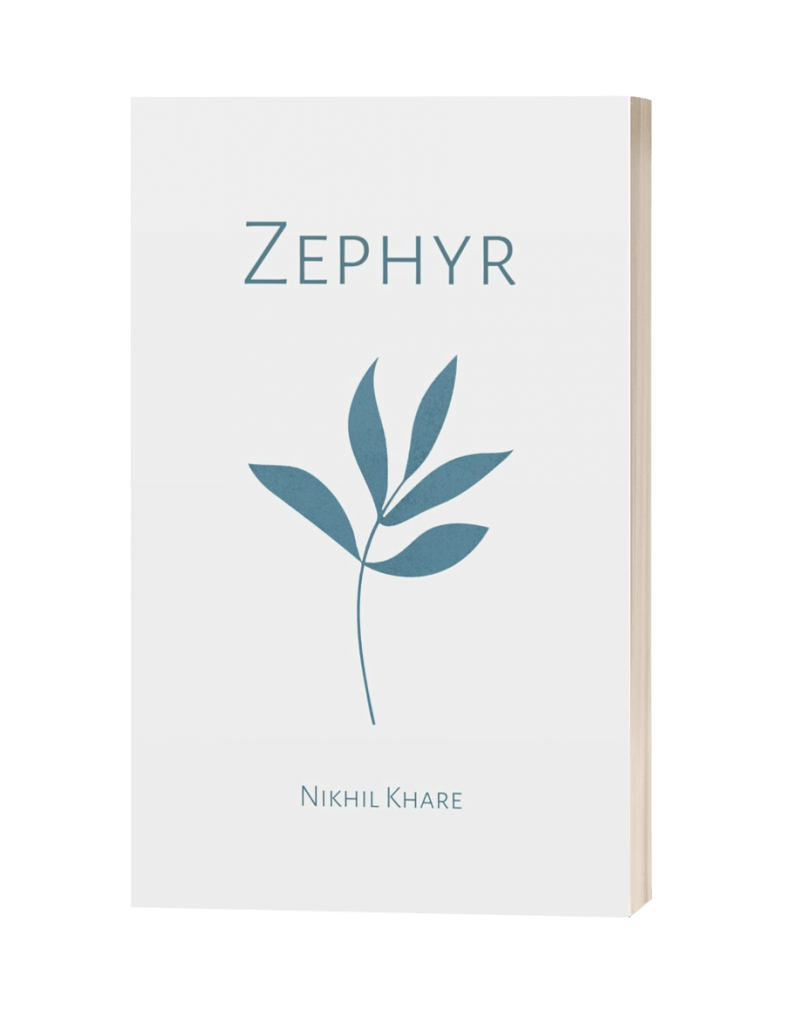
ZEPHYR
Zephyr is my first poetry book—quiet, intimate, and deeply personal. Like its name, the book moves gently, carrying emotions that often arrive softly but leave lasting impressions.
This collection explores love in its earliest forms: unspoken affection, hesitant longing, fragile hope, and the ache of almosts. The poems are rooted in vulnerability—moments of stillness, private thoughts, and emotions that are felt more than declared. Zephyr is about learning how to feel before learning how to survive those feelings.
Written with restraint and emotional honesty, the poems avoid grand gestures and instead focus on subtle truths: the pauses between conversations, the weight of absence, the tenderness of memory. Zephyr marks the beginning of my poetic journey—raw, sincere, and unguarded.
It is a book for readers who believe that the softest emotions are often the most powerful.
TEMPEST
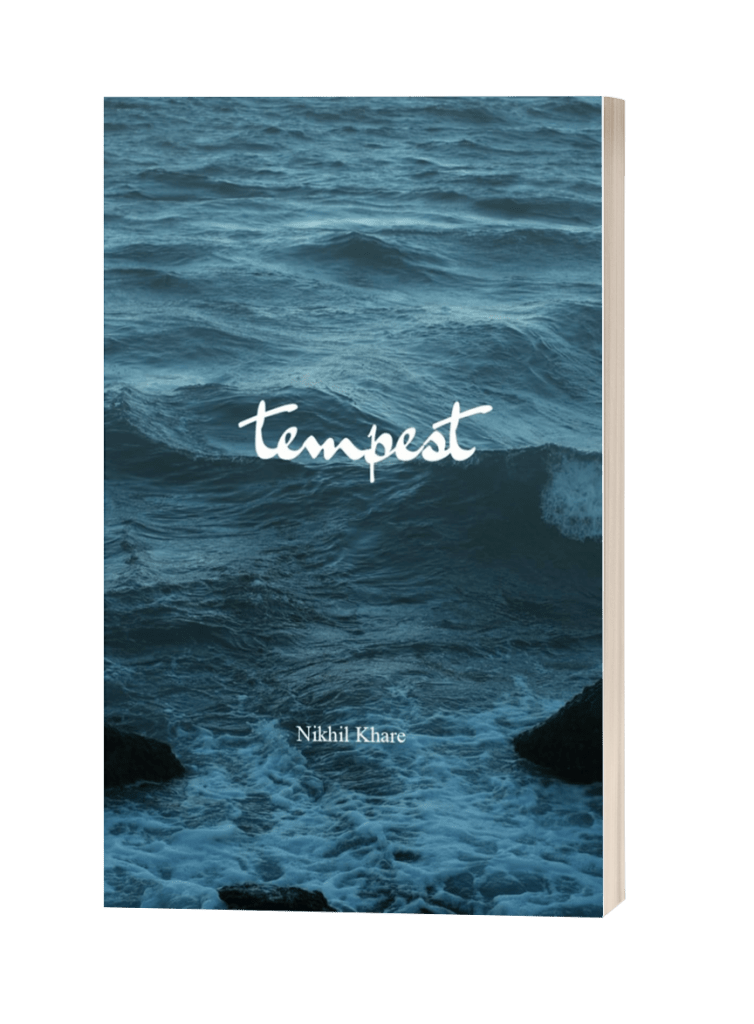
Where Zephyr whispers, Tempest storms.
Tempest is a poetry collection born out of emotional turbulence—grief, anger, obsession, betrayal, ambition, and the reckoning that follows love lost or love corrupted. These poems are sharper, darker, and more confrontational, reflecting a voice that has learned what it means to break and still stand.
The collection traces emotional chaos: relationships that collapse under their own weight, desires that consume rather than comfort, and identities reshaped by loss and conflict. Tempest does not seek resolution—it documents the violence of feeling and the truth that healing is rarely gentle.
This book represents growth, defiance, and emotional confrontation. It is unapologetic, intense, and honest in its refusal to soften pain for the sake of beauty. Tempest is for readers who have loved fiercely, lost deeply, and survived the aftermath.
MATRIA
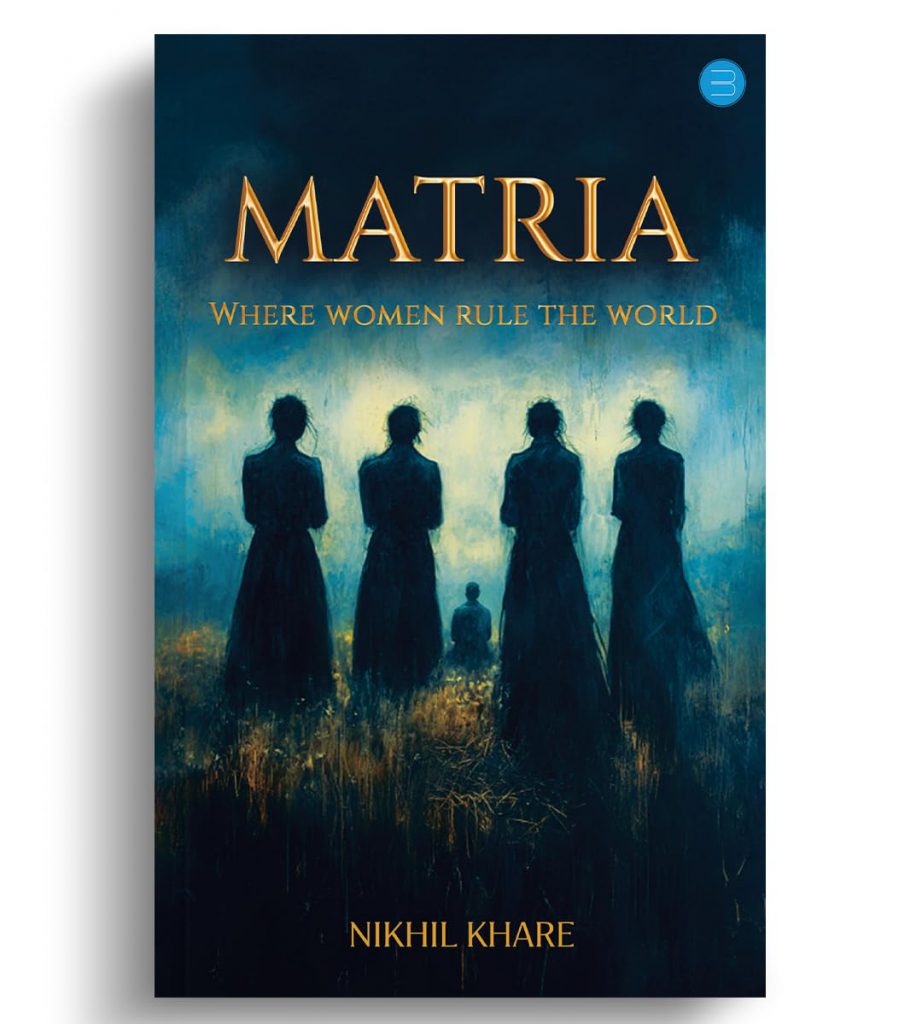
Matria is a speculative narrative set in a world where men no longer exist. What replaces them is not peace, but power.
The absence of men does not erase hierarchy, ambition, or violence—it merely redistributes them. Matria explores how authority reforms itself when old structures collapse, and how dominance survives even when its most familiar faces are gone.
The book examines governance, succession, ideological conflict, and moral compromise within an all-female world struggling to define order, legitimacy, and control. Alliances fracture, institutions harden, and revolutions repeat themselves under new banners. Gender ceases to be the axis of oppression; power becomes the only constant.
Matria is not utopian and not symbolic fantasy. It is a political study disguised as fiction—about systems rather than saviors, structures rather than heroes. It interrogates the idea that the removal of one class of people can dismantle injustice, and argues instead that power is adaptive, cyclical, and fundamentally human.
This book is for readers interested in political theory, speculative worlds, and narratives that challenge comforting assumptions about equality, leadership, and moral progress.
Lincoln — An Inspiration
I am deeply influenced by Abraham Lincoln for his moral clarity, resilience, and unwavering commitment to justice in times of extreme national crisis. Lincoln’s life demonstrates that leadership is not about personal comfort or popularity, but about bearing responsibility when history demands difficult choices.
His belief in equality and human dignity, especially reflected in his stand against slavery, influences my understanding that principles must not bend before convenience. Lincoln showed that institutions can be reformed from within if guided by conscience and courage.
I am also inspired by his capacity for empathy and patience. Despite fierce opposition, personal loss, and political betrayal, Lincoln chose restraint over revenge and dialogue over division. This teaches me that strength lies in calm perseverance, not aggression.
Finally, Lincoln’s words and actions reflect the power of purpose-driven leadership—clear thinking, ethical decision-making, and faith in democratic values even when outcomes are uncertain. His life encourages me to act with integrity, accept long-term sacrifice for larger ideals, and remain committed to justice, even when the cost is high.

By Nikhil Khare
CONNECT WITH THE AUTHOR
Nikhil welcomes thoughtful dialogue on literature, politics, and the human condition. Perfect for readers who seek depth, philosophy, and dark narrative energy wherever they are. For conversations, collaborations, reviews, or media opportunities: